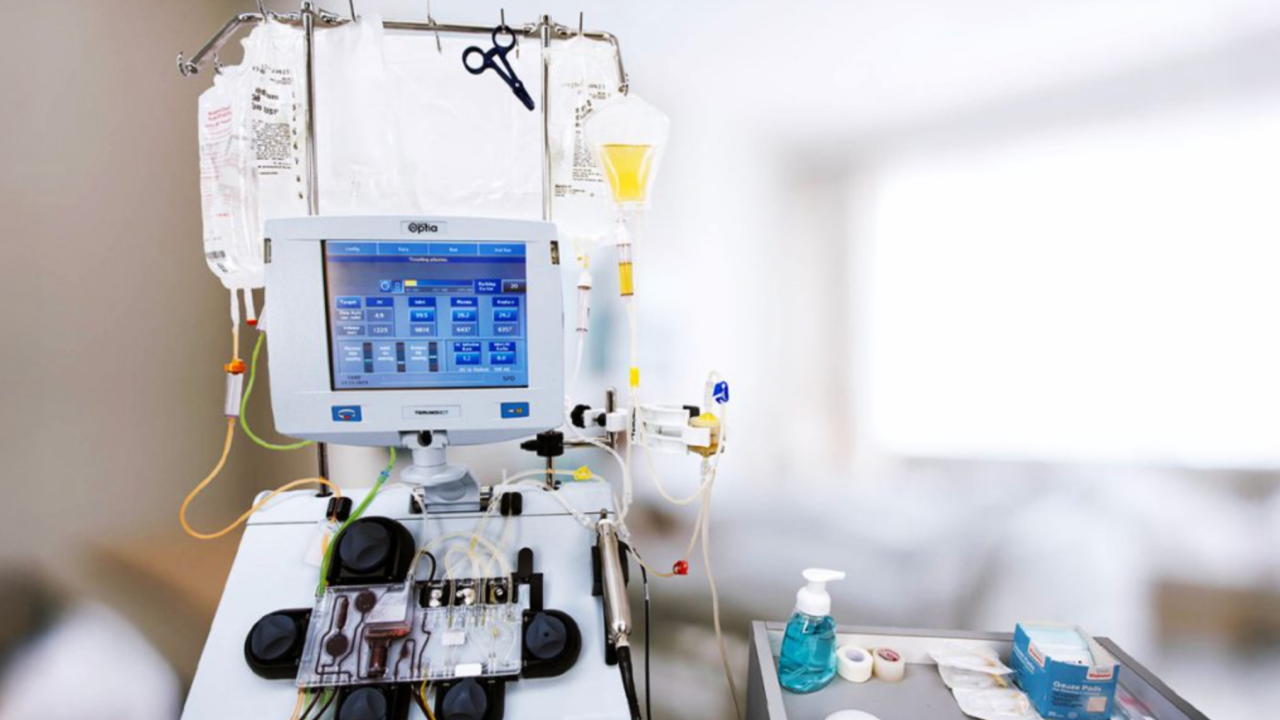
Therapeutic Plasma Exchange (TPE), also known as plasmapheresis, is a cornerstone extracorporeal blood purification therapy. It involves the removal, treatment, and return or replacement of a patient’s plasma to eliminate pathogenic factors like autoantibodies, immune complexes, toxins, or abnormal proteins. Once a niche procedure for a handful of conditions, TPE is now a critical, often life-saving intervention for a rapidly expanding list of neurological, renal, hematological, and metabolic disorders. This evolution is fueling significant growth in the global Therapeutic Plasma Exchange Market.
Market Drivers: Why TPE is Gaining Momentum
-
Rising Prevalence of Autoimmune and Neurological Disorders: The increasing incidence of diseases like Guillain-Barré Syndrome (GBS), Myasthenia Gravis, Chronic Inflammatory Demyelinating Polyneuropathy (CIDP), and Multiple Sclerosis relapses is a primary driver. TPE serves as a first-line or rescue therapy to swiftly modulate the immune system.
-
Expanding Clinical Applications: Research continues to validate TPE’s efficacy in new indications, including catastrophic antiphospholipid syndrome, certain types of rapidly progressive glomerulonephritis, and even severe cases of hypertriglyceridemic pancreatitis. Its use in transplantation for antibody-mediated rejection is also standard.
-
Technological Advancements: Modern apheresis devices are becoming safer, more user-friendly, and more efficient. Features like automated vascular access management, integrated citrate dosing, and improved plasma separation membranes are enhancing patient safety and procedural efficacy.
-
Growing Awareness and Standardization: Increased awareness among clinicians and the establishment of formal guidelines by bodies like the American Society for Apheresis (ASFA) have standardized practices, improving adoption rates and patient outcomes.
-
The COVID-19 Catalyst: The pandemic unexpectedly highlighted TPE’s utility. It was explored and used as an investigational therapy for critically ill COVID-19 patients to mitigate the “cytokine storm,” bringing the procedure into broader clinical focus.
Market Segmentation and Key Trends
The TPE market can be segmented by:
-
Product: Devices (Centrifugation-based, Membrane Filtration-based) and Consumables (Kits, Disposables).
-
Disease Indication: Neurological Disorders, Renal Disorders, Hematological Disorders, Metabolic Disorders, Others.
-
End-User: Hospitals & Transfusion Centers, Specialty Clinics, Ambulatory Surgical Centers.
A key trend is the gradual shift toward ambulatory and outpatient settings. Advances in device portability and safety are enabling same-day TPE procedures, reducing hospital bed occupancy, lowering costs, and improving patient quality of life. Additionally, the integration of immunoadsorption techniques—a more selective form of plasma purification—represents a frontier for targeting specific antibodies without needing plasma replacement fluids.
Challenges and Restraints
Despite growth, the market faces hurdles:
-
High Procedure Costs: The expense of apheresis devices, single-use consumables, and albumin/fresh frozen plasma replacement fluids can be significant.
-
Risk of Complications: While generally safe, TPE carries risks like hypotension, citrate-induced hypocalcemia, bleeding, and vascular access complications, requiring skilled operators.
-
Reimbursement Variability: Reimbursement policies for TPE vary widely across regions and payers, sometimes creating barriers to access.
-
Limited Skilled Professionals: Performing TPE requires specialized training for nephrologists, neurologists, nurses, and perfusionists, creating a resource limitation in some regions.
Regional Landscape
North America currently dominates the TPE market, driven by a high prevalence of autoimmune diseases, advanced healthcare infrastructure, favorable reimbursement frameworks (like Medicare coverage), and strong presence of key industry players. Europe follows closely, with robust clinical adoption.
The Asia-Pacific region, however, is projected to be the fastest-growing market. This is due to improving healthcare access, rising medical tourism, growing awareness of TPE, increasing healthcare expenditure, and a large, under-penetrated patient population.
Read More-
https://www.zionmarketresearch.com/de/report/paper-based-plasma-separation-market
https://www.zionmarketresearch.com/de/report/software-defined-wide-area-network-sd-wan-market
https://www.zionmarketresearch.com/de/report/bifacial-solar-market
https://www.zionmarketresearch.com/de/report/automotive-egr-system-market
https://www.zionmarketresearch.com/de/report/nickel-sulfate-market
Competitive Landscape
The market features a mix of established medical technology giants and specialized players. Key companies include:
-
Fresenius Medical Care AG & Co. KGaA
-
Haemonetics Corporation
-
Terumo BCT, Inc. (a subsidiary of Terumo Corporation)
-
Asahi Kasei Medical Co., Ltd.
-
B. Braun Melsungen AG
-
Medica S.p.A.
-
Kaneka Corporation
Competition revolves around technological innovation, device reliability, cost-effectiveness, and strategic partnerships with hospitals and clinics.
The Future Outlook
The future of the Therapeutic Plasma Exchange market is bright. Growth is expected to be sustained by ongoing clinical research, technological innovations making the procedure safer and more accessible, and the inevitable expansion of its therapeutic applications. The focus will likely intensify on personalized apheresis—tailoring the procedure’s intensity and selectivity to individual patient pathology. As precision medicine advances, TPE will remain an indispensable tool for rapidly resetting the immune system and saving lives, ensuring its market continues to evolve and expand in the coming decade.