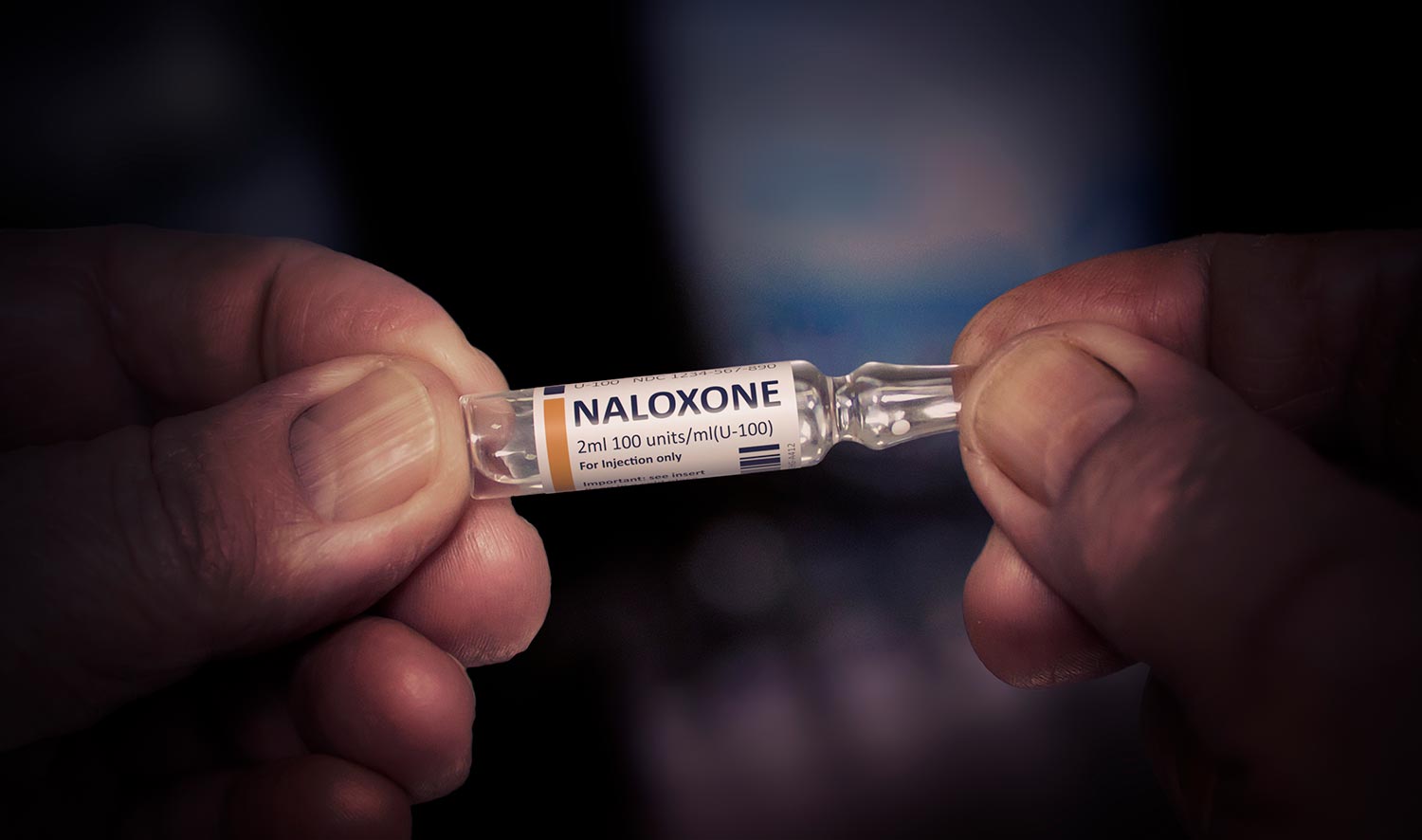
The global naloxone market sits at the critical intersection of public health crisis and pharmaceutical innovation. Once a niche emergency medication used primarily in hospital settings, naloxone—an opioid antagonist that can rapidly reverse overdose—has become a cornerstone of the fight against the opioid epidemic. This market is characterized by unprecedented demand, policy-driven expansion, and intense competition between established pharmaceutical giants and agile new entrants. Understanding its dynamics is key to grasping a unique sector where social impact and commercial interests are deeply intertwined.
Market Drivers: The Fuel for Growth
-
The Unabated Opioid Crisis: The primary driver remains the staggering toll of opioid overdoses. With fatalities involving synthetic opioids like fentanyl continuing to rise, the need for immediate, effective intervention has never been greater. This public health emergency creates a consistent and growing demand for naloxone.
-
Government Policy and Legislation: Policymakers have responded with aggressive measures. These include:
-
Standing Orders and Over-the-Counter (OTC) Transition: Widespread “standing orders” allow pharmacies to dispense naloxone without an individual prescription. The landmark FDA approval of OTC naloxone nasal sprays in 2023 marked a seismic shift, dramatically improving access.
-
Funding and Mandates: Federal and state grants fund bulk purchases for first responders, community organizations, and harm reduction programs. Some states now require naloxone to be co-prescribed with opioid painkillers.
-
-
Increased Public Awareness and De-stigmatization: Advocacy by affected communities and families has normalized carrying naloxone as a lifesaving act, similar to an EpiPen for allergies. This cultural shift is expanding the consumer base beyond traditional medical channels.
-
Innovation in Delivery Systems: The development of user-friendly intranasal sprays (Narcan®, Kloxxado®) and auto-injectors (EVZIO®) transformed naloxone from a vial-and-syringe product for medical professionals into a device suitable for layperson use, creating a new commercial product category.
Market Segmentation and Key Players
The market is segmented by product type, distribution channel, and end-user.
-
By Product Type: Intranasal Sprays dominate the market due to their ease of use. The OTC status of Narcan has solidified this lead. Injectable formulations remain vital for hospital/EMS use.
-
By Distribution Channel: Retail pharmacies are experiencing the fastest growth post-OTC transition, while hospitals & clinics and online platforms remain critical channels.
-
By End-User: First Responders (EMS, Police) are major institutional buyers. The Community/Non-Profit segment is vast, often supplied via government grants. The Individual Consumer segment is now the key growth frontier.
Key players operate in a competitive landscape:
-
Emergent BioSolutions (Narcan): The longtime market leader with its nasal spray, now navigating the OTC landscape.
-
Harm Reduction Therapeutics (RiVive): A non-profit poised to disrupt the market with its approved OTC product, aiming for a lower price point.
-
Teva Pharmaceutical (Narcan Generic): A major supplier of generic naloxone, crucial for public sector purchasing.
-
Hikma Pharmaceuticals (Kloxxado): Competes with a higher-dose 8mg nasal spray aimed at potent fentanyl overdoses.
-
Purdue Pharma (formerly with EVZIO): Highlights the complex history, as some opioid manufacturers have been involved in naloxone distribution as part of settlement agreements.
Challenges and Restraints
Despite its mission, the market faces significant headwinds:
-
Pricing and Affordability: Even with OTC availability, list prices (~$45 for a 2-pack) can be a barrier for at-risk individuals without insurance or bulk purchasing. The gap between public sector procurement prices and consumer retail prices is a point of contention.
-
Supply Chain and Reimbursement Hurdles: Ensuring consistent, broad coverage by insurance and Medicaid for OTC products is an ongoing logistical challenge.
-
Stigma and Education Gaps: Persistent stigma around drug use and a lack of training can still inhibit adoption in some communities.
-
Market Saturation and Competition: The entry of a non-profit and multiple generics is driving price competition, pressuring margins and forcing commercial players to innovate in branding, access programs, and education.
Regional Insights
-
North America dominates the global market, accounting for over 90% of revenue, driven by the severity of the U.S. opioid crisis and proactive policy responses.
-
Europe is a growing market, with countries like the UK, Scotland, and parts of Eastern Europe expanding take-home naloxone programs amidst rising overdose rates.
-
Asia-Pacific shows nascent potential, with growing awareness and pilot programs in Australia and Canada, but adoption is slower due to regulatory and cultural differences.
Future Outlook: Beyond the Crisis
The naloxone market is expected to maintain strong growth, but its future will be shaped by:
-
The Race for Affordability: The success of lower-cost OTC options like RiVive will test whether a non-profit model can sustainably expand access and force industry-wide pricing adjustments.
-
Next-Generation Formulations: Research into longer-acting naloxone (to counter sustained-release opioids) and combination products could open new clinical and commercial avenues.
-
Integration into Holistic Ecosystems: Naloxone distribution will increasingly be bundled with other services—fentanyl test strips, addiction treatment referrals, and mental health support—creating partnerships between pharma, public health, and digital health platforms.
-
Sustained Policy Support: The market’s trajectory remains heavily dependent on continued government funding, insurance mandates, and public health initiatives.
Read More-
https://www.zionmarketresearch.com/de/report/diamond-jewelry-market
https://www.zionmarketresearch.com/de/report/industrial-hoses-market
https://www.zionmarketresearch.com/de/report/image-recognition-in-consumer-packaged-goods-cpg-market
https://www.zionmarketresearch.com/de/report/zero-emission-trucks-market
https://www.zionmarketresearch.com/de/report/online-bingo-game-market
Conclusion
The naloxone market is more than a pharmaceutical case study; it is a testament to how public health imperatives can reshape an industry. From emergency rooms to retail shelves, naloxone’s journey reflects a societal commitment to saving lives. As the market matures, the central challenge will be balancing commercial viability with equitable access, ensuring that this essential medicine is not only available but also truly accessible to every community and individual in need. The companies that succeed will be those that align profitability with the core mission of harm reduction at scale.