
For over a century, vaccines have been synonymous with prevention—training the immune system to ward off infectious diseases before they strike. Today, a paradigm shift is underway. The burgeoning Therapeutic Vaccines Market is pioneering a new frontier: using vaccine technology not to prevent, but to treat established diseases, primarily chronic conditions like cancer, autoimmune disorders, and persistent infections. This market represents a convergence of immunology, genomics, and biotechnology, promising more targeted and durable treatments with fewer side effects.
Market Overview and Drivers
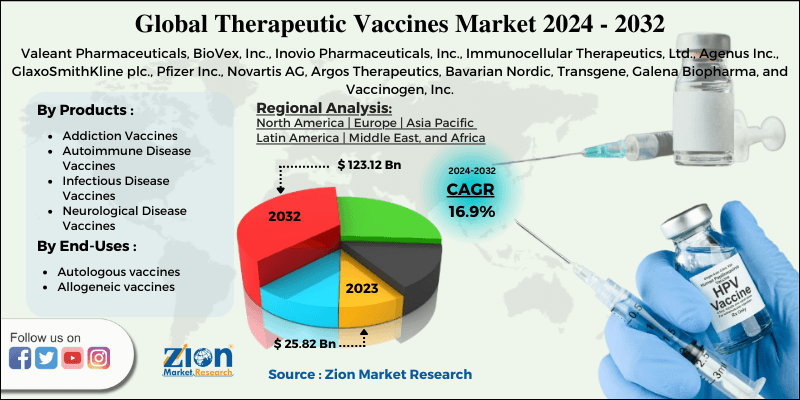
The global therapeutic vaccines market is experiencing robust growth, projected to expand from approximately $1.5 billion in 2023 to over $4.5 billion by 2030, reflecting a compound annual growth rate (CAGR) of around 15-18%. This surge is fueled by several key drivers:
-
Rising Prevalence of Chronic Diseases: The increasing global burden of cancer, neurodegenerative diseases (like Alzheimer’s), and autoimmune disorders (like multiple sclerosis) creates a pressing need for more effective therapies.
-
Limitations of Conventional Treatments: Chemotherapy, radiation, and chronic drug regimens often come with severe side effects and diminishing efficacy. Therapeutic vaccines aim to offer a more targeted, immune-mediated approach with potentially longer-lasting effects.
-
Technological Advancements: Breakthroughs in mRNA technology (accelerated by COVID-19), cancer antigen discovery, novel adjuvants, and advanced delivery systems are enabling the development of more potent and personalized vaccines.
-
Positive Clinical Milestones: Recent approvals and promising late-stage trial data, particularly in oncology, are validating the approach and attracting significant investment.
Key Application Segments
The market is segmented by therapeutic area, with oncology dominating but other fields advancing rapidly.
-
Oncology (The Largest Segment): Cancer therapeutic vaccines are designed to train the immune system to recognize and destroy cancer cells using tumor-specific antigens.
-
Examples: Sipuleucel-T (Provenge) for prostate cancer, Talimogene laherparepvec (T-VEC) for melanoma. A new wave of personalized neoantigen vaccines, often combined with checkpoint inhibitors, is showing remarkable promise in clinical trials.
-
-
Infectious Diseases: Targeting chronic infections where the immune system needs reinforcement to clear the pathogen.
-
Targets: HIV, Hepatitis B and C, Human Papillomavirus (HPV) to treat existing infections, and herpes simplex virus.
-
-
Autoimmune Diseases: Here, the goal is tolerance—retraining the immune system to stop attacking the body’s own tissues.
-
Pipeline Targets: Type 1 diabetes, multiple sclerosis, rheumatoid arthritis, and celiac disease.
-
-
Neurological Disorders: Perhaps the most challenging frontier, aiming to clear pathological proteins like beta-amyloid or tau in Alzheimer’s disease.
-
Status: Several candidates have faced setbacks, but next-generation vaccines continue to be investigated with cautious optimism.
-
Challenges and Restraints
Despite the promise, the path to market is fraught with obstacles:
-
High Complexity and Cost: Developing and manufacturing personalized vaccines, especially in oncology, is complex and expensive.
-
Regulatory Hurdles: Demonstrating clear efficacy and defining clinical endpoints for novel biologic agents requires close dialogue with regulatory bodies like the FDA and EMA.
-
Immune System Evasion: Tumors and chronic pathogens have sophisticated mechanisms to suppress the immune response, necessitating combination therapies.
-
Market Access and Reimbursement: Convincing payers of the long-term value proposition of high-cost therapeutic vaccines remains a critical hurdle.
Competitive Landscape
The market features a dynamic mix of players:
-
Pharmaceutical Giants: Merck & Co., Inc., GSK plc, and AstraZeneca are leveraging their vast resources and vaccine expertise.
-
Dedicated Biotech Innovators: Companies like Moderna, Inc. and BioNTech SE are applying their mRNA platforms beyond infectious diseases to oncology. Dendreon Pharmaceuticals LLC (maker of Provenge) is an established pioneer.
-
Academic and Research Institutes: Often serve as the birthplace for novel antigen and platform technologies, later licensed to commercial partners.
The competitive strategy is increasingly defined by partnerships (biotech-pharma alliances) and a focus on combinational therapies, where therapeutic vaccines are used alongside drugs like PD-1 inhibitors to enhance efficacy.
Regional Insights
-
North America leads the market, driven by advanced healthcare infrastructure, high R&D investment, and supportive regulatory frameworks.
-
Europe is a strong second, with significant academic research and a unified regulatory pathway through the EMA.
-
Asia-Pacific is anticipated to be the fastest-growing region, fueled by rising healthcare expenditure, increasing cancer incidence, and growing biotechnology capabilities in China, Japan, and South Korea.
Read More-
https://www.zionmarketresearch.com/de/report/respiratory-disease-testing-market
https://www.zionmarketresearch.com/de/report/augmented-reality-market
https://www.zionmarketresearch.com/de/report/peripheral-guidewire-market
https://www.zionmarketresearch.com/de/report/baby-food-market
https://www.zionmarketresearch.com/de/report/hydraulic-hose-market
The Future Outlook
The therapeutic vaccines market is on the cusp of transformation. The future will be shaped by:
-
Personalization: The rise of “bespoke” vaccines tailored to an individual’s unique tumor or disease profile.
-
Platform Diversification: Advances in mRNA, DNA, viral vector, and peptide-based platforms will expand the toolkit for developers.
-
Expansion into New Indications: Success in oncology will pave the way for accelerated development in autoimmune and neurodegenerative fields.
-
Integration with Digital Health: Biomarker discovery and patient monitoring will be enhanced by AI and big data analytics.
Conclusion
The therapeutic vaccines market moves us from a paradigm of disease management to one of targeted immune instruction and potential cures. While scientific and commercial challenges remain, the potential to treat the root cause of chronic diseases represents one of the most exciting frontiers in modern medicine. For investors, healthcare providers, and patients alike, this market is not just about new drugs—it’s about fundamentally redefining the future of therapy.