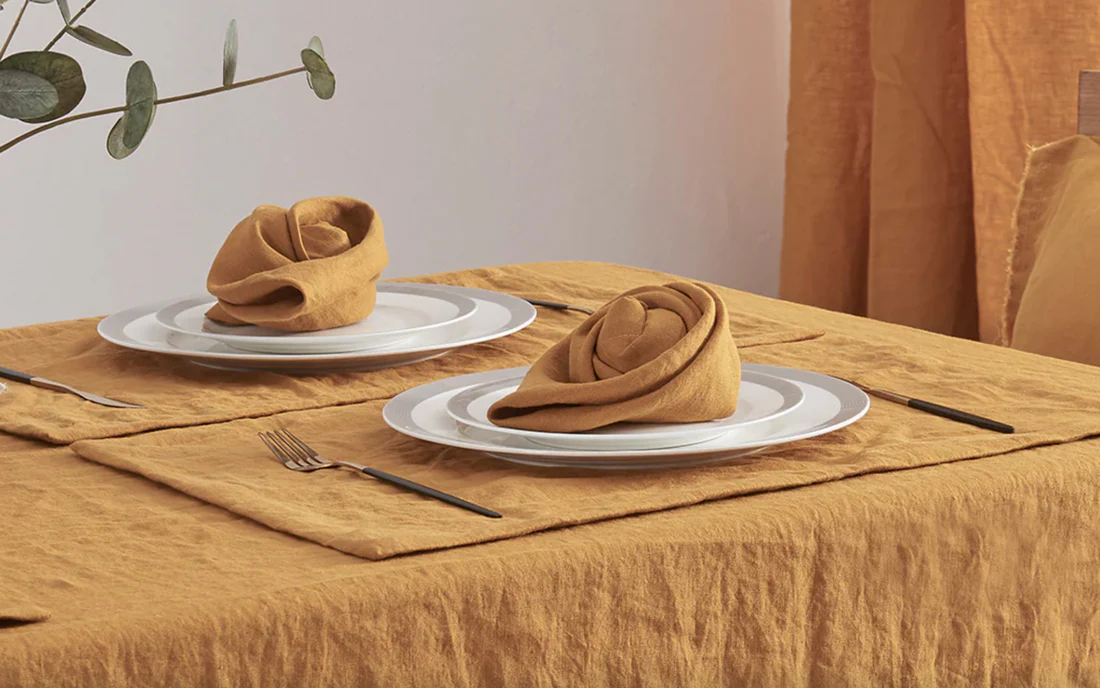
The global table linen market, once a stable domain of basic cotton and polyester, is undergoing a significant transformation. Driven by a resurgence in home dining, the experience economy in hospitality, and a powerful shift towards sustainable consumption, the market is no longer just about utility but about aesthetics, ethics, and expression. This article explores the key trends, drivers, segments, and future outlook of this dynamic industry.
Introduction: Setting the Table for Growth
Table linen, encompassing tablecloths, napkins, placemats, runners, and table skirting, serves as the foundational canvas for dining experiences worldwide. The market, valued at approximately USD 12.5 billion in 2023, is projected to grow at a steady CAGR of 5-6% over the next five years. This growth is fueled not by volume alone, but by a fundamental change in how consumers and businesses perceive tabletop decor.
Key Market Drivers
-
The “Home as a Haven” & Entertaining Trends: Post-pandemic, the cultural emphasis on the home has sustained. Consumers are investing in elevating everyday meals and social gatherings, viewing high-quality, stylish table linen as an accessible luxury that enhances the dining experience.
-
The Hospitality Experience Economy: For restaurants, hotels, and event venues, table linen is a critical brand differentiator. Establishments are moving beyond stark white to use color, texture, and custom patterns to create immersive atmospheres, tell a brand story, and justify premium pricing.
-
Material Innovation & Sustainability: This is the most potent driver. Demand is exploding for:
-
Organic and GOTS-Certified Cotton: Ethically sourced, chemical-free cotton.
-
Linen (Flax): Celebrated for its durability, natural aesthetic, and biodegradable properties.
-
Recycled Materials: Table linens made from recycled PET bottles or textile waste are gaining traction.
-
Tencel™ and other Lyocells: Offering a silky feel with a closed-loop, environmentally friendly production process.
-
-
E-commerce and Direct-to-Consumer (D2C): Online platforms have democratized access to a vast array of designs, from global artisans to niche sustainable brands. D2C brands are particularly successful by focusing on storytelling, quality, and curated collections that resonate with specific lifestyles.
Market Segmentation Analysis
-
By Material:
-
Cotton: Dominates the market due to its natural feel, absorbency, and ease of care.
-
Polyester: Holds significant share in commercial/rental sectors for its durability, stain resistance, and low cost.
-
Linen: The fastest-growing premium segment, associated with elegance and sustainability.
-
Others (Silk, Jute, Bamboo): Niche but growing segments focused on luxury or artisanal appeal.
-
-
By End-User:
-
Household: The largest segment, increasingly driven by premium, seasonal, and occasion-specific purchases.
-
Commercial: Includes hotels, restaurants, cafes, event management companies, and cruise lines. This segment prioritizes durability, laundry performance, and consistent supply.
-
-
By Distribution Channel:
-
Business-to-Business (B2B): Supplies bulk orders to hospitality and rental companies.
-
Business-to-Consumer (B2C): Through hypermarkets, specialty stores, and dominantly, online retail.
-
Regional Landscape
-
Asia-Pacific: The largest and fastest-growing market, led by China and India. Growth is fueled by a rising middle class, expanding hospitality sector, and growing domestic manufacturing.
-
Europe: A mature market with a strong preference for premium, designer, and sustainable products. Countries like Italy, France, and Portugal are synonymous with high-quality linen.
-
North America: A significant market characterized by high consumer spending, a strong culture of home entertaining, and rapid adoption of e-commerce and sustainable brands.
Challenges and Constraints
-
Volatility in Raw Material Prices: Fluctuations in cotton and flax prices impact manufacturing costs.
-
High Competition & Fast Fashion: Low-cost, disposable table linen from fast-fashion home decor brands pressures traditional manufacturers.
-
Supply Chain Complexity: Ensuring ethical and transparent sourcing, especially for sustainable materials, remains a logistical challenge.
-
Care and Maintenance: Consumer perception of high-maintenance fabrics (like pure linen) can be a barrier to adoption.
Read More-
https://www.zionmarketresearch.com/de/report/laboratory-water-purifier-market
https://www.zionmarketresearch.com/de/report/board-to-board-btob-floating-connectors-market
https://www.zionmarketresearch.com/de/report/high-speed-engine-market
https://www.zionmarketresearch.com/de/report/dry-ice-market
https://www.zionmarketresearch.com/de/report/convection-reflow-soldering-oven-market
The Future Outlook: Weaving Tomorrow’s Trends
-
Hyper-Personalization: Digital printing and on-demand manufacturing will enable custom monograms, patterns, and designs for both households and businesses.
-
Smart Textiles: Development of stain-repellent, odor-resistant, and even antimicrobial finishes using eco-friendly technologies will become standard, especially in commercial settings.
-
Circular Business Models: The rise of rental subscriptions for special occasions and brand-led take-back programs for recycling will gain momentum.
-
Artisanal and Story-Driven Brands: Consumers will continue to seek products with a narrative—handwoven techniques, heritage crafts, and direct support to weaver communities.
Conclusion
The table linen market is brilliantly illustrating a broader shift in consumer goods: from disposable to durable, from generic to personal, and from opaque to sustainable. The future belongs to brands that can successfully weave together quality, design, and responsibility. For investors, retailers, and manufacturers, the opportunity lies not in selling a mere cloth, but in providing the fabric for memorable experiences and a more conscious lifestyle. The table is set for intelligent, value-driven growth.