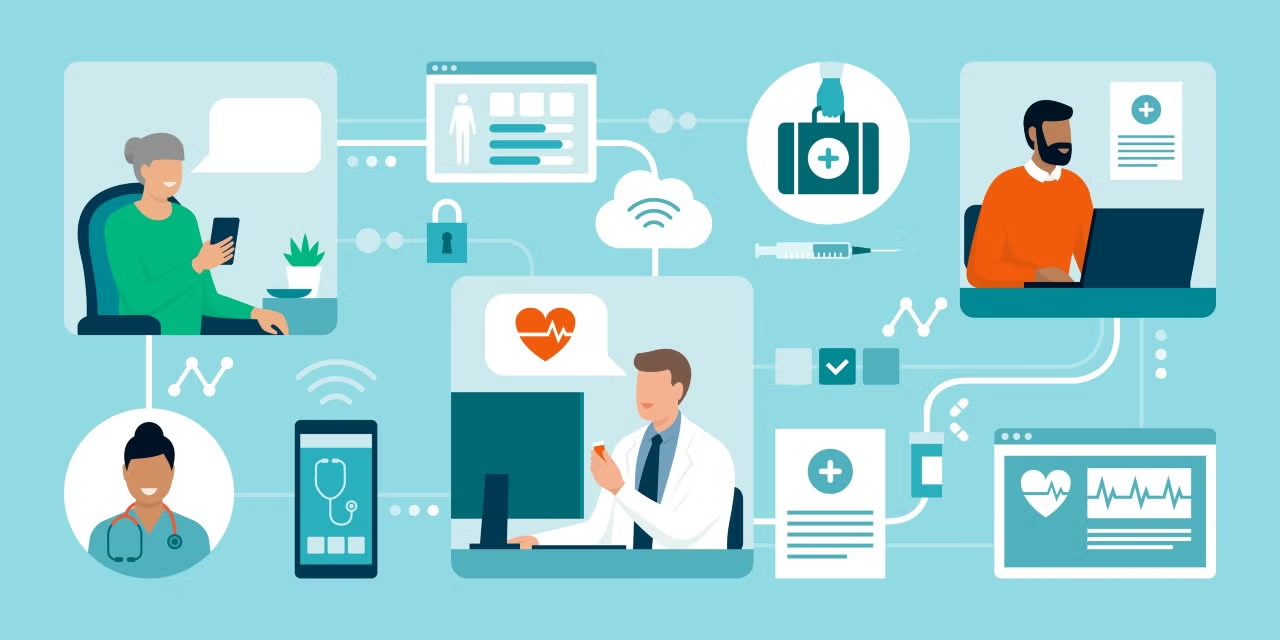
The global healthcare landscape is undergoing a seismic shift, moving away from fragmented, reactive care toward a seamless, proactive, and personalized model. At the heart of this transformation is the Connected Healthcare market—a dynamic ecosystem where medical devices, software applications, healthcare providers, and patients are linked through digital networks. This isn’t just a trend; it’s a fundamental reimagining of how health data is collected, analyzed, and acted upon.
Valued at over USD 90 billion in 2024, the market is projected to grow at a staggering compound annual growth rate (CAGR) of over 20% for the next decade. This explosive growth is fueled by a powerful convergence of technological advancement, consumer demand, and systemic necessity.
The Pillars of Connected Healthcare
Connected Healthcare rests on several interconnected technologies:
-
Internet of Medical Things (IoMT): The army of “smart” devices—from wearable fitness trackers and smartwatches to connected glucose monitors, ECG patches, and implantable devices. These sensors collect continuous, real-time physiological data outside the clinical setting.
-
Telehealth & Remote Patient Monitoring (RPM): The platforms that enable virtual consultations and the continuous transmission of IoMT data to healthcare providers. RPM allows for managing chronic conditions (like diabetes, hypertension, heart failure) and post-operative care from the patient’s home, reducing hospital readmissions.
-
Health Information Exchanges (HIEs) & Interoperable Platforms: The critical backbone. These systems break down data silos, allowing secure and standardized sharing of electronic health records (EHRs) between hospitals, clinics, labs, and pharmacies. True connection is impossible without interoperability.
-
Advanced Analytics & AI: The brain of the operation. The massive influx of data is useless without interpretation. AI and machine learning algorithms analyze patterns, predict health events (like a potential asthma attack or diabetic episode), and provide clinical decision support to physicians.
-
Patient Portals & mHealth Apps: The consumer-facing interface. These empower patients to access their records, schedule appointments, receive educational content, and actively participate in their care plans.
Key Drivers Fueling Market Growth
-
The Chronic Disease Epidemic: Rising global prevalence of diabetes, CVD, and COPD demands continuous management, for which connected solutions are ideal.
-
Aging Populations: Growing elderly populations prefer aging in place, supported by RPM and fall detection sensors.
-
Consumerization of Healthcare: Tech-savvy patients expect digital access, convenience, and transparency similar to other services.
-
Cost Containment Pressures: Payers and providers are incentivized to adopt solutions that prevent costly emergency visits and hospitalizations.
-
Advancements in 5G & AI: Ubiquitous high-speed connectivity and sophisticated analytics make real-time, data-heavy applications feasible and reliable.
Market Landscape: Opportunities and Challenges
The market is a vibrant mix of established medtech giants, nimble tech startups, and telecom companies forging new partnerships.
-
Key Players: Companies like Philips, Medtronic, and GE Healthcare are embedding connectivity into traditional devices. Tech giants like Apple, Google, and Amazon are leveraging their platforms and AI prowess. A multitude of specialized SaaS providers offer RPM and analytics platforms.
-
Major Opportunities:
-
Expansion into Mental Health: Digital therapeutics and connected platforms for mental wellness are a fast-growing segment.
-
Insurer Integration: Health insurers are increasingly reimbursing for connected health services and offering them to members to reduce long-term risk.
-
Emerging Markets: Leapfrogging traditional infrastructure with mobile-first health solutions.
-
-
Persistent Challenges:
-
Data Security & Privacy: Cybersecure platforms and strict HIPAA/GDPR compliance are non-negotiable amidst rising threats.
-
Interoperability Hurdles: Despite progress, seamless data exchange between different vendor systems remains a technical and commercial challenge.
-
Digital Divide: Ensuring equitable access across socioeconomic and age groups to prevent worsening health disparities.
-
Regulatory Frameworks: Governments are continually adapting approval processes (like FDA’s Digital Health Center of Excellence) to keep pace with innovation.
-
Read More-
https://www.zionmarketresearch.com/de/report/anti-fatigue-cosmetics-market
https://www.zionmarketresearch.com/de/report/derma-roller-market
https://www.zionmarketresearch.com/de/report/anti-jamming-market-size
https://www.zionmarketresearch.com/de/report/printed-electronics-market
https://www.zionmarketresearch.com/de/report/chemical-dust-suppressant-market
The Future is Proactive and Personalized
The trajectory of Connected Healthcare points toward a future of predictive and precision medicine. Imagine a system where your wearable detects subtle arrhythmias long before symptoms appear, your AI health assistant suggests preventative lifestyle adjustments, and your care team receives automated alerts to intervene early—all while you go about your daily life.
Conclusion
The Connected Healthcare market represents more than an economic sector; it is the infrastructure for a more resilient, efficient, and human-centered health system. While challenges around data, access, and integration remain, the momentum is undeniable. As technology continues to converge with clinical science, the vision of truly connected, continuous, and personalized care for all is rapidly becoming a tangible reality. The era of episodic, visit-based medicine is closing; the era of always-on, intelligent health stewardship has begun.